Parole
Kiss of the Spider WomanParole is Molina’s release from prison under continuing scrutiny, a change in legal status that opens the cell door without ending the authorities’ hold over his movements. The Warden first presents release as contingent on information; after Molina gives none, he is nevertheless told to prepare to leave, and his parole immediately becomes a new source of risk when Valentin asks him to carry messages.
Conditional Release
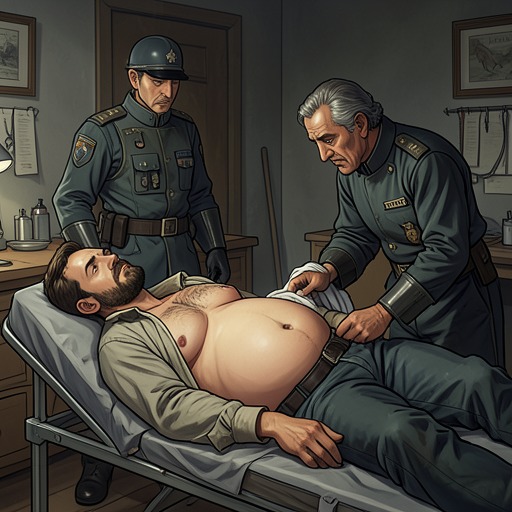
The Warden tells Molina that arrangements have been made to obtain his release if he provides information. The parole papers are already prepared, the Warden explains, but still lack his signature. Molina answers that he understands; the Warden calls the situation a pity. The exchange makes release appear to be an inducement in the prison authorities’ attempt to obtain cooperation, with the final signature held back as leverage.
The next day, however, the Warden tells Molina to have his belongings ready because he will be paroled the following morning. Molina pleads with him not to take away his only chance, but the Warden clarifies that the release is definite. The shift from conditional possibility to a firm order is not accompanied by any stated explanation of what changed. The text establishes the contrast: the information the Warden sought had not been supplied, yet the papers would be signed and Molina would leave.
Release and Its Limits
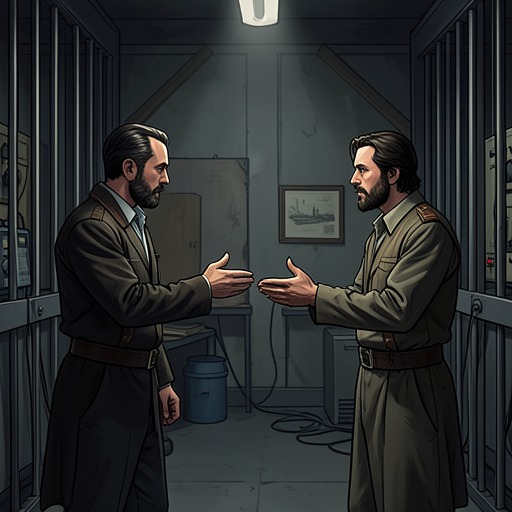
Molina recognizes that parole does not give him the freedom to act without consequence. When Valentin suggests that he wait a few days or weeks before helping, Molina objects that the authorities could follow him to see whether he is working with Valentin. He explicitly connects his caution to his parole: even a small suspicion could send him back to prison. Valentin promises that he will not be placed at risk, but Molina refuses to hear details about the people or locations involved. His new status therefore shapes their exchange before he has even left prison: the possibility of release makes him wary of any action that could undo it.
Surveillance After Release
A report identifies Molina as prisoner 3.018, notes that he was paroled on the ninth, and records that CISL placed him under surveillance in conjunction with TISL’s wiretap unit. According to the report, he left at 8:30 in the morning and reached his home, alone by taxi, at approximately 9:05. He spent the day at the apartment on Calle Juramento 5020, repeatedly looking out from the third-floor window; the report notes that he watched in several directions and lingered particularly toward the northwest. The routine details turn parole into an observed condition: even at home, Molina is being watched and his attention is being recorded.
The same report records a 10:16 telephone call to Lalo. It describes Molina speaking in the feminine gender and using several names in the conversation, while Lalo presses him to recount supposed sexual experiences in prison. Molina says that prison stories about sexual behavior are not the truth and that there had been no diversions; they promise to meet over the weekend to see a movie, laughing whenever they address each other by another name. The report’s close attention to this ordinary, playful exchange underscores how broadly surveillance follows Molina into his private life.
Freedom Under Constraint
Parole changes Molina’s location and immediate prospects, but not his exposure to institutional power. The Warden’s promise of release, Molina’s fear that suspicion could return him to prison, and the surveillance report together define freedom as provisional. The authorities no longer confine him to a cell, yet they continue to monitor his conduct; meanwhile, the possibility of renewed imprisonment limits what he is willing to do for Valentin. Parole is thus both an escape from incarceration and a condition that keeps the prison’s threat active beyond its walls.